Home   |   News    |   Discussions   |   Books   |   Curiosities
Search
Custom Search
Popular Reads

Earthquakes and animal behavior
LHC may produce time travelling particles
Country boys boast bigger junk
Running the numbers on alien life
Uh-oh, placebo
Forgetful? Blame your house
Pill to blame for rise in prostate cancer?
Cat parasite has global ambitions
Carbon monoxide keeps city dwellers happy
Magnetic field alters moral judgments
Stars manufacturing organic matter?
Unnatural selection: Courtesy of The Pill
Men 2% funnier than women
Parasite rewires sexual attraction
Novel psychiatric drugs take aim at gut bacteria
Discussions
General Science

Not-Quite Science

Physics

Climate Change

Science Fiction

Past Forums

Sponsored Links
Browse

Animal Kingdom

Biology

Climate Change

Environment

Evolution

Genetics

Humans

Mind & Brain

Prehistory

Health & Diet

Health Threats

Health & Environment

Health: From The Lab

Mental Health

Reproductive Health

Energy Alternatives

Chemistry

Computing & Electronics

Nanotechnology

Pimping Nature

Robotics & AI

Physics

Space


Curiosities
Sci Shop
Peculiar and bizarre scientific stuff that you didn't even know existed and you don't need.
Books
Book Reviews
Rusty Rockets lists his all-time favorite science titles.
Archives
2012 2011 2010
2009 2008 2007
2006 2005 2004
2003 2002 2001
2000 1999 1998
Feature Archive


29 June 2009
BPA exposure during pregnancy alters offspring's DNA
by Kate Melville

In animal studies, exposure to bisphenol A (BPA - a common chemical found in many plastic household items) during pregnancy is known to cause fertility defects in the offspring, and now researchers have told The Endocrine Society's 91st Annual Meeting in Washington how those defects occur.

The new findings join a growing body of animal research showing the toxic health effects of BPA, including reproductive and developmental problems. BPA is used to make hard polycarbonate plastic, such as for baby bottles, refillable water bottles and food containers, as well as to make the linings of metal food cans. It has estrogen-like properties and has been linked to female infertility in animals.

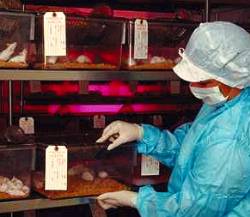
"The big mystery is how does exposure to this estrogen-like substance during a brief period in pregnancy lead to a change in uterine function," said study co-author Hugh Taylor, at Yale University School of Medicine. To tray and answer that question, Taylor injected pregnant mice with a low dose of BPA on pregnancy days 9 to 16. After the mice gave birth, the scientists analyzed the uterus of female offspring and extracted DNA.

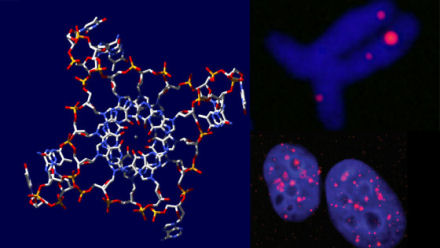
They found that BPA exposure during pregnancy had a lasting effect on one of the genes (HOXA10) that is responsible for uterine development and subsequent fertility in both mice and humans. Furthermore, these changes in the offspring's uterine DNA resulted in a permanent increase in estrogen sensitivity.

The permanent DNA changes in the BPA-exposed offspring were not apparent in the offspring of mice that did not receive BPA injection (the controls). This finding demonstrates that the fetus is sensitive to BPA in mice and likely also in humans, Taylor says. "We don't know what a safe level of BPA is, so pregnant women should avoid BPA exposure. There is nothing to lose by avoiding items made with BPA - and maybe a lot to gain."

Related:
Estrogen contamination in bottled water "just the tip of the iceberg," say scientists
Fresh concerns about BPA
Experts demand FDA act on BPA report
Plastic Bottles And Hot Liquids A Bad Combo
Source: The Endocrine Society


Social

Follow Science a GoGo


Home         All The News      Science Forum         Books, Books, Books         Curiosity Shop         About

The terms and conditions governing your use of this website.
Copyright © 1997 - 2012 Science a Go Go and its licensors. All rights reserved.