
A group of scientists at The Scripps Research Institute have found a connection between poor T cell survival in the body and the development of autoimmunity. On the basis of this connection, the scientists are proposing a new hypothesis about the cause of autoimmunity, in which components of a person’s immune system attack the body’s own tissues leading to diseases such as Type 1 diabetes and rheumatoid arthritis.
“Autoimmunity has been considered a condition of too much stimulation,” says Scripps Research Immunology Professor Nora Sarvetnick. “What we are seeing is that it is a condition of too little stimulation.”
In an article appearing in the journal Cell, Nora Sarvetnick and her colleagues in the Department of Immunology assert that we need a certain level of immune stimulation to fill the body with immune cells. An understimulated immune system results in too few T cells, and the body tries to correct this by inducing a vigorous expansion of the remaining T cells, creating a more autoreactive population.
It also provides a new way for thinking about how to make autoimmune diseases more preventable. The key to decreasing the chances of developing autoimmunity may be to stimulate the immune system by priming people with germs.
Normally, the body’s immune system is designed to recognize invading viruses or bacteria and destroy them. But in autoimmune diseases, the body’s response is not limited to pathogens. Instead, the body manufactures cells and molecules that attack its own tissues and organs. This assault can have severe consequences for health and can be lethal.
According to the new hypothesis that Nora Sarvetnick and her colleague Cecile King, are proposing, the root cause of autoimmunity is a failure to make an adequate response to an infection, in other words, an immune system that is not working hard enough. This hyporesponsiveness creates a condition known as lymphopenia, where there is a reduction in the number of T cells in the body. Often people with autoimmune diseases like Type 1 diabetes, lupus, and rheumatoid arthritis have low T cell numbers.
If the body detects low levels of T cells, it resorts to homeostatic expansion, a mechanism that has never been associated with autoimmunity before. Under homeostatic expansion, growth signals stimulate the existing T cells in the body to divide and multiply.
This homeostatic process should normally fill the body, but sometimes that does not happen due to disrupted growth signals or a viral infection that causes the number of T cells to go down even as the body is trying to increase their numbers. These are the conditions that lead to autoimmunity, says Sarvetnick.
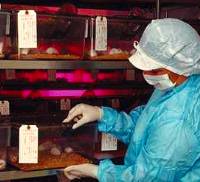
In their paper, Sarvetnick and her colleagues showed that mice can be protected against diabetes by challenging them with a swill of bacterial cell wall components called CFA, which increased the T cell count and curtailed the development of diabetes in the mice.
To show that this effect was due to the increase in T cell count following the CFA administration and not some other cause, they passively stimulated the immune systems of mice by infusing them with T cells. These infusions also prevented the NOD mice from developing diabetes.
According to Sarvetnick’s and King’s hypothesis, the protection against diabetes results from exposure to these pathogens because it keeps the body full of immune cells. Increased numbers of T cells act as a buffer against the emergence of self-reactive T cells by shutting down homeostatic expansion.
This hypothesis could explain a discrepancy in the number of cases of autoimmune disease in developed and developing countries. Disease rates have been on the rise in developed countries in the last 50 years compared to their developing neighbors, presumably because people in less developed countries are exposed to more pathogens.
“The cleaner everyone is, the less stimulation their immune system gets,” says Sarvetnick. “Their immune system tends to be incomplete.”
Related posts:
 Radiation’s bad rep a beat-up, controversial new research claims
 BPA exposure estimates wrong, say US researchers
 BPA exposure during pregnancy alters offspring’s DNA
 Lasting evolutionary change “slow and rare”
 BPA exposure makes male animals “less desirable”
 New Species Of Organism Excites Astrobiologists

Comments are closed.