
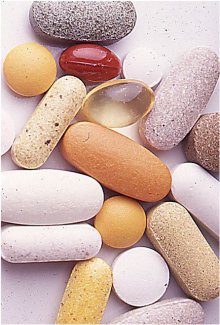
An analysis of traditional Indian medicines purchased via the Internet found that 20 percent of the products contained levels of lead, mercury and/or arsenic that exceeded acceptable standards. Known as Ayurvedic medicines, the remedies are used by a majority of India’s population and an increasing number of Westerners.
Ayurvedic medicines are divided into two major types: herbal-only and rasa shastra. The preparation of rasa shastra medicines involves deliberately combining herbs with metals (e.g., mercury, lead, iron, zinc), minerals (e.g., mica) and gems (e.g., pearl). Rasa shastra experts claim that these medicines, if properly prepared and administered, are safe and therapeutic.
- Determine the prevalence of Ayurvedic medicines available via the Internet containing detectable lead, mercury, or arsenic
- Compare the prevalence of toxic metals between U.S. and Indian-manufactured products, and in rasa shastra vs. non-rasa shastra medicines.
- Compare the prevalence of toxic metals between rasa shastra and non-rasa shastra medicines.
The researchers found that the prevalence of metals in U.S.-manufactured products was 22 percent, compared with 20 percent in Indian products. Rasa shastra medicines were more than twice as likely as non-rasa shastra products to contain detectable metals and had higher median (midpoint) concentrations of lead and mercury. All the metal-containing products exceeded 1 or more standards for acceptable daily metal intake. “Several Indian-manufactured rasa shastra medicines could result in lead and/or mercury ingestions 100 to 10,000 times greater than acceptable limits,” the study noted.
The uncontrolled nature of the dietary supplements marketplace makes it difficult for the health of the American public to be adequately protected, contend the researchers. “New FDA regulations and current Indian policies do not specify any maximum acceptable concentrations or daily dose limits for metals in dietary supplements for domestic use. We suggest strictly enforced, government-mandated daily dose limits for toxic metals in all dietary supplements and requirements that all manufacturers demonstrate compliance through independent third-party testing,” the researchers recommend.
Related:
More Of The Same From The Net
Scottish Doctors Say “Nay” To Modern Medicine









![Gillette Flare Tip [A1 1955] Super Speed - Vintage Safety Razor picture](/store/img/g/JkUAAOSwdQtmLIDK/s-l225/Gillette-Flare-Tip-A1-1955-Super-Speed-Vintage-Saf.jpg)



Comments are closed.