
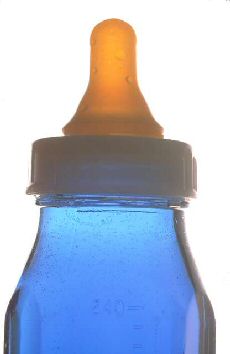
Baby feeding bottles and other everday plastic items could be causing serious harm, says researcher Frederick vom Saal. He believes that Bisphenol-A (BPA), a man-made chemical used to manufacture polycarbonate products such as hard plastic baby bottles and food storage containers, is extremely harmful.
Professor vom Saal, from the University of Missouri-Columbia, compiled the first study that brought the adverse health effects of BPA to light. He says he now has the backing of more than 95 other independent scientific studies with findings that match. California lawmakers will use this evidence as they consider the nation’s first ban of BPA in plastic products made for babies and toddlers next week.
The case for a new government safety standard concerning BPA is documented in vom Saal’s article appearing in Environmental Health Perspectives. The last U.S. Environmental Protection Agency risk assessment for BPA was conducted in the 1980’s. In his paper, vom Saal says that the latest research showing adverse effects of the chemical are all conducted with an amount of BPA less than the levels normally found in the human body. “If BPA was treated as a drug, it would have been pulled immediately,” vom Saal said. “We are not saying get rid of plastics. This chemical can be replaced right now by safer materials and the public would never notice the difference.”
Next week, vom Saal will speak to the California legislature which is proposing a bill banning the use of BPA in products made for children three years of age or younger.
Related posts:
 BPA levels in canned soup unexpectedly high
 BPA levels in US foods assessed for first time
 Adult testicular function affected by exposure in womb to BPA
 BPA found to have “dramatic” effect on adult hormone levels
 BPA exposure during pregnancy alters offspring’s DNA
 Experts demand FDA act on BPA report






Comments are closed.