
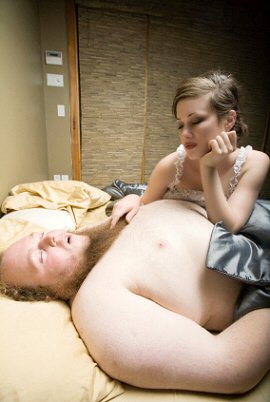
Nearly 1-in-10 sleep center patients report sexsomnia incidents and researchers say there is an association between sexsomnia and recreational drug use. The research abstract, presented at the annual meeting of the Associated Professional Sleep Societies LLC, also revealed that sexsomnia was more common in men than women.
The researchers’ results indicated that 8 percent of patients (63 of 832) at a sleep disorders center reported that they had initiated or engaged in sexual activity with a bed partner while asleep. The prevalence of reported sexsomnia was nearly three times higher in men (11 percent) than in women (four percent).
Sexsomnia appears to occur predominantly during confusional arousals and may occur during an episode of sleepwalking. These are two of the disorders that are classified as “parasomnias,” which involve undesirable behaviors that occur while falling asleep, during sleep or while waking up.
“There have been no previous studies of how frequently sexsomnia occurs,” said co-investigator Sharon A. Chung, from the University Health Network in Toronto, Canada. “While our finding of eight percent of people reporting sexsomnia seems really a high number, it should be stressed that we only studied patients referred to a sleep clinic. So, we would expect the numbers to be much lower in the general population.”
Both groups also had similar rates of smoking and caffeine consumption. However, people who reported sexsomnia were twice as likely as other sleep center patients to admit using illicit drugs (16 percent compared to 8 percent).
Unsurprisingly, although sexsomnia was common, patients rarely mentioned the problem to their doctor. Chung noted that only four of 832 patients expressed a complaint about sexsomnia during a consultation with a sleep specialist. “It seems that patients generally don’t discuss this with their doctors,” she said.
Related:
Sleep/Wake Cycle Gene Discovered
Relationship Between Insomnia And Depression Revealed
Cell Phone Radiation Triggers Insomnia
Researchers Wake Up To Narcolepsy Gene







Comments are closed.