

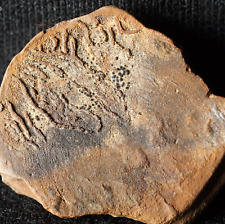
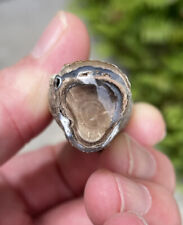
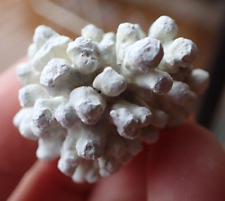
Algae, rather than asteroids, were the key to the end of the dinosaurs, claims a new study that notes that current environmental conditions show a significant similarity to the periods in the past when mass extinctions occurred. Clemson University geologist James W. Castle and ecotoxicologist John H. Rodgers have spent two years analyzing data from ancient algal deposits – stromatolite structures – finding evidence that blue-green algae, which produce poisons and deplete oxygen, were present in sufficient quantities to kill off untold numbers of plants and animals living on land or in the sea.
Castle and Rodgers research, appearing in the journal Environmental Geosciences, confronts current theories regarding the five major extinctions that occurred during the 550 million years during which life with “hard parts” (skeletons and shells) has flourished and left fossils. Other researchers have theorized that climate changes, sea level, volcanic activity, even asteroids were primary causes for deaths of more than 50 percent of life on Earth.
The new study claims that these causes are contributors, but algae were the mass killer. The researchers point out that asteroid-caused extinction, a popular theory for the end of dinosaurs, does not fit the evidence. “The fossil record indicates that mass extinctions occurred in response to environmental changes at the end of the Cretaceous; however, these extinctions occurred more gradually than expected if caused solely by a catastrophic event,” they note.
In the new theory, the nutrient-rich fallout generated by the disaster lands in the water and it becomes food for algae. Algae explode in population, releasing chemicals that can act as anything from skin irritants to potent neurotoxins. Plants on land can pick up the compounds in their roots, and pass them on to herbivorous animals.
Rodgers explains that toxic algae in the United States appear to be migrating slowly northward through the country’s ponds and lakes, and along the coast as temperatures creep upward. He believes that the expanding range portends a host of problems for fish and wildlife, and also for humans, as algae increasingly invade reservoirs and other sources of drinking water. Interestingly, he claims scientists from around the world have been sending the researchers data that support the new hypothesis. “I look forward to the debate this work will generate. I hope it helps focus attention on climate change and the consequences we may face,” Castle said.
Related:
Slimy Future Predicted For World’s Oceans
World’s Fish Stocks Face New Danger
European Scum Trying To Conquer The World













Comments are closed.