Home   |   News    |   Discussions   |   Books   |   Curiosities
Search
Custom Search
Popular Reads

Earthquakes and animal behavior
LHC may produce time travelling particles
Country boys boast bigger junk
Running the numbers on alien life
Uh-oh, placebo
Forgetful? Blame your house
Pill to blame for rise in prostate cancer?
Cat parasite has global ambitions
Carbon monoxide keeps city dwellers happy
Magnetic field alters moral judgments
Stars manufacturing organic matter?
Unnatural selection: Courtesy of The Pill
Men 2% funnier than women
Parasite rewires sexual attraction
Novel psychiatric drugs take aim at gut bacteria
Discussions
General Science

Not-Quite Science

Physics

Climate Change

Science Fiction

Past Forums

Sponsored Links
Browse

Animal Kingdom

Biology

Climate Change

Environment

Evolution

Genetics

Humans

Mind & Brain

Prehistory

Health & Diet

Health Threats

Health & Environment

Health: From The Lab

Mental Health

Reproductive Health

Energy Alternatives

Chemistry

Computing & Electronics

Nanotechnology

Pimping Nature

Robotics & AI

Physics

Space


Curiosities
Sci Shop
Peculiar and bizarre scientific stuff that you didn't even know existed and you don't need.
Books
Book Reviews
Rusty Rockets lists his all-time favorite science titles.
Archives
2012 2011 2010
2009 2008 2007
2006 2005 2004
2003 2002 2001
2000 1999 1998
Feature Archive


21 September 2006
HIV Prefers Smokers
by Kate Melville

An article in the journal Sexually Transmitted Infections suggests that smokers may be unwittingly modifying their immune systems, making them more vulnerable to infection by the HIV virus. Past studies have found that cigarette smoking is linked to a higher than normal chance of contracting other infections generally, including those that have been sexually transmitted.

The researchers behind the new meta-study trawled through material from academic research databases, abstract databases and material from AIDS conferences to arrive at their conclusion. Out of six studies that assessed the association between cigarette smoking and becoming HIV positive, five found that smokers ran an increased risk of between 60 and 300 percent.

"The consistency of the findings is striking and represents a major strength of this review," say the researchers, adding: "while the studies vary in quality, they include reports of high quality investigations using large sample sizes." The researchers speculate that tobacco smoke may enhance vulnerability to infection by modifying the structure of the lungs and changing an array of immune system responses, including curbs on the production of antibodies and the activity of infection fighting white cells.

While these new findings suggest that smokers may to some extent be putting out the welcome mat for HIV, the researchers haven't investigated other salient factors which might also influence a smoker's risk for HIV. Such investigations might include studies which have shown a strong association between smoking, dementia and mental illness; and others that have examined the link between sexual function and smoking. Despite these limitations, the authors suggest, perhaps not unsurprisingly, that encouraging people to give up smoking may also contribute to the effectiveness of HIV/AIDS prevention programs.

As well as immune system function, the researchers also looked at whether smoking accelerated the progression of HIV to full-blown AIDS. Out of ten papers that looked for an association, nine of them concluded that smokers were not at an increased risk of hastening the progression.

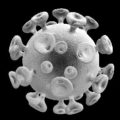
Source: Sexually Transmitted Infections


Social

Follow Science a GoGo


Home         All The News      Science Forum         Books, Books, Books         Curiosity Shop         About

The terms and conditions governing your use of this website.
Copyright © 1997 - 2012 Science a Go Go and its licensors. All rights reserved.