
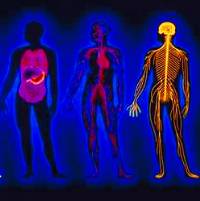
Building on the University of California’s spinal repair stem cell research from last year, a group of researchers from the University of Toronto has also managed to repair damaged spinal cord tissue, this time in rats.
The new research, appearing in The Journal of Neuroscience, could eventually lead to pioneering treatments for humans with spinal cord injuries. The study’s authors claim that neural stem cells can mend damaged spinal cord tissue in rats, but they also note that the effectiveness of the treatment is time dependent.
Michael Fehlings and his colleagues at the Toronto Western Research Institute and the University of Toronto, tagged cells from the brains of adult rodents with a fluorescent marker in order to track their route after being injected into rats with injured spinal cords.
The transplanted stem cells were found to survive beyond a two-week period, thanks largely to the fact that the rats were pumped full of growth factors and immune-suppressing drugs. Encouragingly, it was observed that a third of the transplanted cells traveling along the spinal cord integrated with tissue at the point of injury and transformed into the cell type that had been damaged.
The new research is promising as it shows that therapeutically useful stem cells can be derived from the adult brain of rodents, and that these cells can be caused to differentiate into the types of cells that are useful for repairing the damaged spinal cord.
The team also made another novel discovery during the study. “The timing of neural stem cell application is critical to successful therapy in the injured spinal cord,” said researcher Moses Chao. “The maximal effect of transplanting these cells is early after injury,” he explained. In future studies the team hopes to determine why stem cells transplanted after a critical period of time either fail or don’t survive.













Comments are closed.