
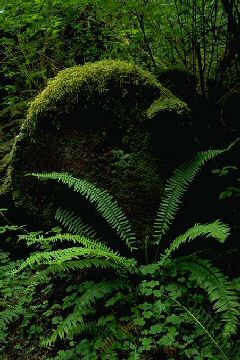
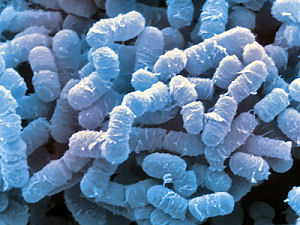
The diversity of soil bacteria in the otherwise species-rich Amazon is more like a desert, while paradoxically, the arid desert is teeming with microbial organisms. These surprising findings, reported in theProceedings of the National Academy of Sciences, come from the first-ever continental-scale genetic survey of soil bacteria. The survey revealed that the primary factor that seems to govern the diversity of soil bacteria is soil pH. Consequently, the acidic soils of topical forests harbor fewer bacterial species than the neutral soils of deserts.
Since soil bacteria play a fundamental role in a vast array of ecological processes, the researchers believe their survey constitutes an initial step to a deeper understanding of the processes involved. “Although soil bacteria have been studied for centuries, fundamental biological questions remain unanswered,” said researcher Noah Fierer.
The researchers assessed microbial species diversity by performing “DNA fingerprinting” that reveals the diversity of a particular kind of DNA called ribosomal DNA. This DNA is known to differ considerably among bacterial species, serving as a type of genetic “bar code” that can be used to differentiate species. While the measure did not tell the researchers how many microbial species existed in the samples, it did give them a comparative measure of such diversity among the samples. The analyses revealed large differences among the samples in terms of diversity.
“As biologists and ecologists, the factors that we think of typically as controlling plant and animal diversity didn’t seem to correlate with the diversity of microbes,” said co-researcher Robert Jackson. “Instead, the factor that correlated best with diversity was the pH of the soil they were growing in. It does make sense, since every biologist knows that when you culture microorganisms in the laboratory, the diversity and the health of those organisms tends to decrease in more extreme pHs.”
“This is really just a first step to a better understanding of what controls microbial diversity around the world,” Jackson emphasized. “Such understanding will offer important insights into the many processes soil microorganisms control – including the carbon cycle of decomposition and the nitrogen-fixing cycle. Also, microbes control emissions of methane and other gases, many of which are important greenhouse gases.”














Comments are closed.