
13 January 1999
It's A Dog's Life
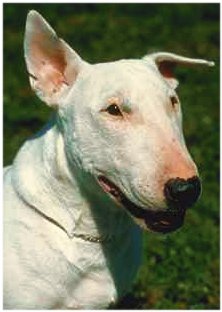 Earlier this year UCLA became a new friend for man's best friends as the university's Department of Radiation Oncology and local veterinarians join forces to provide radiation therapy exclusively for dogs and cats with cancer.
"The Veterinary Radiation Oncology Facility at UCLA is unique in Southern California as a program that blends veterinary medicine with radiation oncology at a leading academic institution such as UCLA," said Dr. H. Rodney Withers, chair of UCLA's Department of Radiation Oncology and a professor at the UCLA School of Medicine.
"We are thrilled to be working in partnership with talented veterinarians from Veterinary Centers of America West Los Angeles Animal Hospital to provide the highest level of medical care for cats and dogs with cancer," Withers said.
Dr. Edward Gillette, an international expert on radiation oncology in veterinary medicine, will work with Drs. David Bruyette and Maura O'Brien of the VCA West Los Angeles Animal Hospital to care for pets at the facility. The facility, established at a location independent of UCLA Medical Center, will be used for outpatient radiation therapy procedures.
"Radiation therapy has become an integral part of cancer treatment for dogs and cats," Gillette said. "As in human cancers, some cancers in pets are treated most effectively by combinations of surgery, radiation therapy and chemotherapy. Radiation therapy can be used to target and destroy cancer that has spread beyond its original location, and chemo-resistant cancers often are vulnerable to radiation treatments."
"Statistics demonstrate that cancer is a leading cause of death in both cats and dogs," O'Brien said. "Pets are living longer as their owners take better care of them, but this means the pets are at increased risk for developing cancer at some point. Also, cancer is not limited to very old animals, and it can be devastating to have a young pet diagnosed with cancer."
"Most veterinarians use chemotherapy or surgery to treat pets with cancer, but very few veterinary clinics have access to or resources for the equipment, facilities and expertise necessary to offer radiation therapy as a treatment option for pets," Bruyette said.
At the facility, radiation therapy will be administered using a cobalt machine, a type of radiation unit utilized in traditional treatment of human cancers. Physicians used the cobalt machine to treat human cancers until UCLA's Department of Radiation Oncology replaced that machine with a larger model.
"We've received a lot of encouragement for this program from local pet owners and our peers in veterinary medicine," Bruyette said. "In many homes, animals are important family members. Sometimes people don't realize how far they'll go to help the pets they love until those pets are threatened by disease or injury."
O'Brien said the radiation oncology services provided by the facility could help hundreds of dogs and cats each year, including those whose cancers have failed to respond to other standard cancer treatments.